

Semiconductor wafer foundry processes convert wafer substrates into functional semiconductor devices through a series of precision manufacturing steps. From basic substrate preparation to advanced process innovation, each step affects chip performance, yield and reliability.
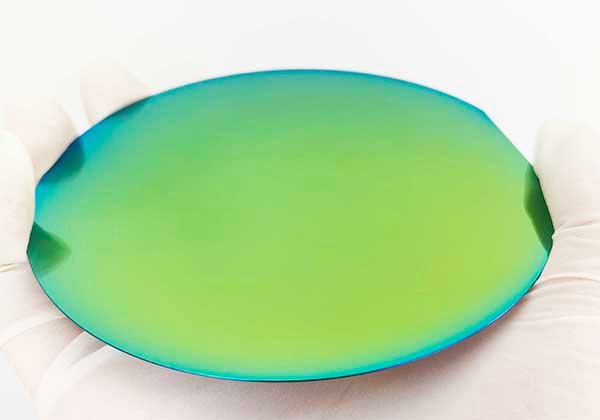
The process begins with high-quality wafer preparation. Silicon wafers or other semiconductor substrates must meet requirements for purity, flatness, crystal orientation, thickness and surface cleanliness. Cleaning removes particles, organic contaminants and metallic impurities before patterning begins.
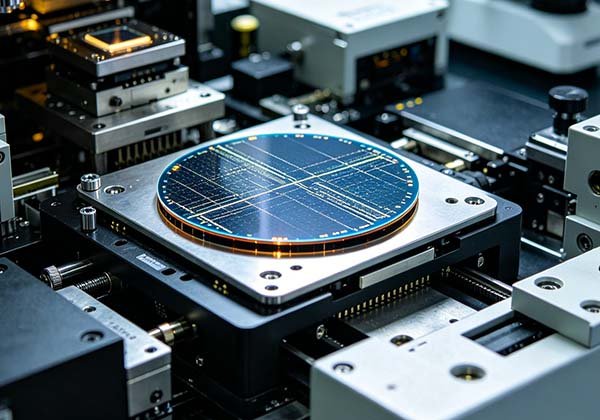
Lithography transfers circuit patterns onto photoresist-coated wafers. After exposure and development, the resist pattern acts as a mask for etching, ion implantation or deposition. As process nodes shrink, overlay accuracy, critical-dimension control and resist performance become increasingly important.
Etching removes selected materials to form circuit structures, trenches, vias and isolation features. Thin-film deposition forms metal, dielectric and functional layers, while doping adjusts the electrical properties of semiconductor regions. CMP planarization ensures surface flatness for subsequent layers.
Advanced innovation in wafer foundry includes EUV lithography, atomic layer deposition, atomic layer etching, copper interconnects, 3D integration and advanced packaging technologies. These innovations help improve integration density, reduce power consumption and enable high-performance computing, memory, power and sensing devices.
A reliable wafer foundry process requires strict cleanroom control, process monitoring, defect inspection and data traceability. As semiconductor devices become more complex, coordinated control across the full process flow becomes increasingly important.