

Silicon wafer thinning and polishing are key processes in semiconductor manufacturing. They determine wafer thickness, surface flatness, roughness and stress state, and therefore directly affect subsequent lithography, deposition, bonding, packaging and device reliability.
Wafer thinning usually removes excess silicon from the backside of the wafer through grinding or related mechanical processes. It helps reduce device thickness, improve heat dissipation and support advanced packaging and MEMS structures. However, thinning may introduce surface damage and residual stress, which must be controlled through optimized parameters.
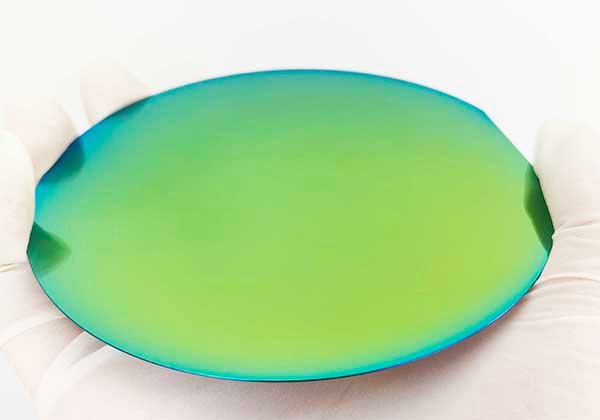
Polishing, especially Chemical Mechanical Polishing (CMP), combines chemical reaction and mechanical removal to obtain a mirror-like surface. CMP can reduce roughness to the nanometer level and improve global flatness, making it important for high-precision lithography, wafer bonding and thin-film deposition.
In MEMS and semiconductor manufacturing, thinning and polishing are often integrated with cleaning, inspection and stress-release steps. Proper process control helps avoid wafer warpage, cracks, particles and surface defects.
As device structures become thinner and more integrated, wafer thinning and polishing will remain essential for high-yield manufacturing, advanced packaging, MEMS sensors and three-dimensional integration.