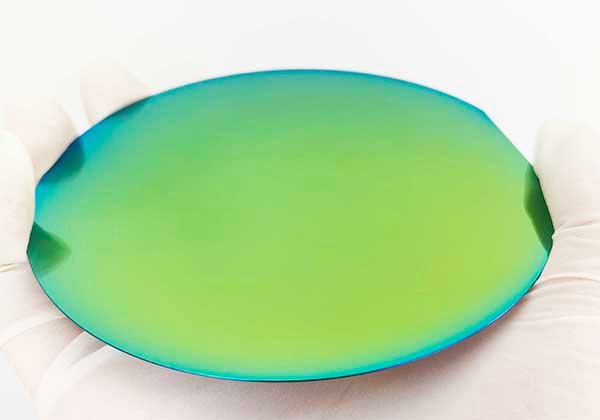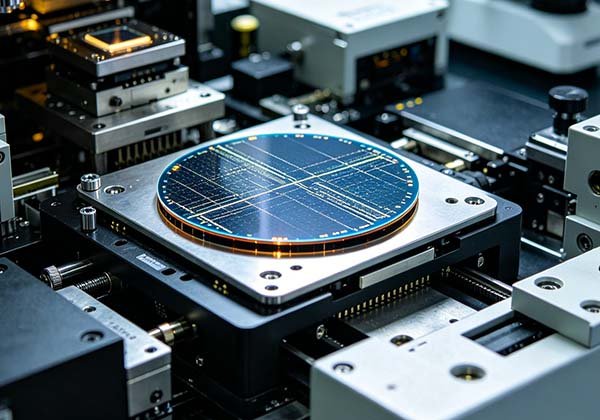


In semiconductor manufacturing, wafer dicing connects chip fabrication with packaging. Its technical level directly affects yield, performance and cost. The core objective is to divide 6-inch, 8-inch or 12-inch circular wafers into hundreds or thousands of individual dies that can later be packaged into usable chips.
The dicing process must avoid edge chipping, circuit damage and material waste while maximizing wafer utilization. Since wafer manufacturing is costly, optimizing dicing technology is an important way for semiconductor companies to reduce cost.
Blade dicing is a widely used traditional method. A high-speed diamond blade rotates at tens of thousands of revolutions per minute and cuts the wafer along predefined scribe lines. It has low cost and mature equipment, but mechanical stress may cause chipping or cracks, especially for thin wafers and brittle materials.
Laser dicing uses focused laser energy to cut or ablate wafer material. It offers non-contact processing, high precision and reduced mechanical damage. It is suitable for thin wafers and special materials, but heat-affected zones and process optimization must be carefully controlled.
Stealth dicing focuses laser energy inside the wafer to form a modified layer, after which the wafer is separated by external stress. This method can reduce surface damage and improve die quality.
Plasma dicing uses dry etching to separate dies. It can provide high precision, low mechanical damage and good suitability for small die sizes, though equipment and process cost are higher.
The selection of a dicing technology depends on wafer thickness, material type, die size, edge-quality requirements, throughput and cost. As chips become thinner and more integrated, low-damage and high-precision dicing will become increasingly important.