

MEMS wafer foundry services connect process capability with practical applications. They transform microscopic designs into manufacturable devices by integrating lithography, etching, thin-film deposition, bonding, packaging and testing.
At the design stage, foundry teams evaluate whether the device structure can be fabricated with available materials and processes. This includes checking feature size, aspect ratio, film stress, release structures, alignment requirements and packaging compatibility. Early evaluation helps reduce repeated design revisions.
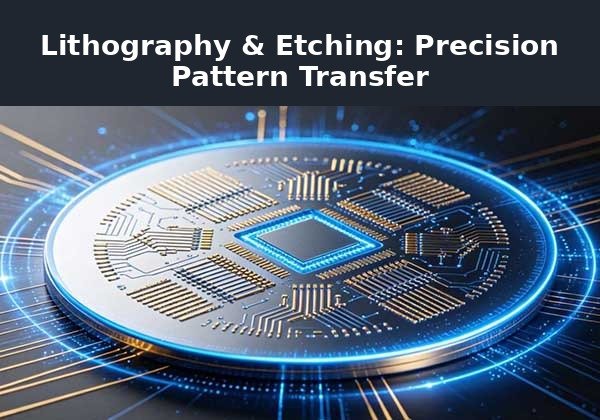
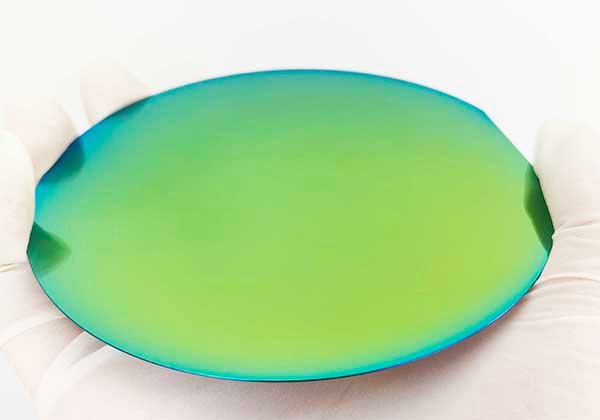
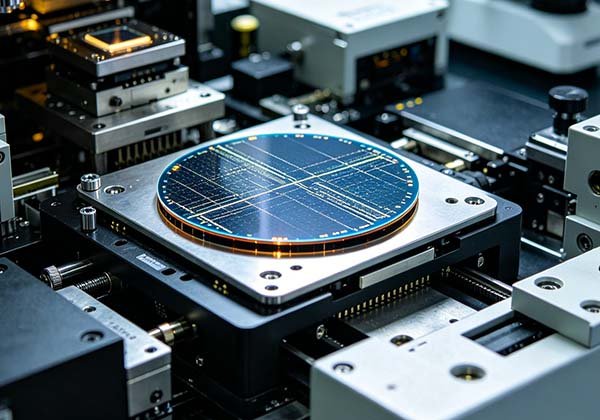
Lithography defines microstructure patterns on wafers, while etching transfers those patterns into silicon, glass, metal or dielectric layers. DRIE can form high-aspect-ratio silicon structures, wet etching can release selected layers, and thin-film deposition provides electrodes, insulation, piezoelectric layers or structural films.
Bonding and packaging are critical for MEMS because many devices require cavities, pressure references, media isolation or vacuum environments. Wafer-level bonding can improve consistency and reduce packaging size. Testing verifies sensitivity, response speed, power consumption, mechanical stability and environmental reliability.
MEMS wafer foundry services support applications in consumer electronics, automotive sensors, industrial monitoring, medical devices, microfluidics and RF components. By providing a complete process route from prototype to small-batch or mass production, foundries help customers shorten development cycles and reduce manufacturing barriers.