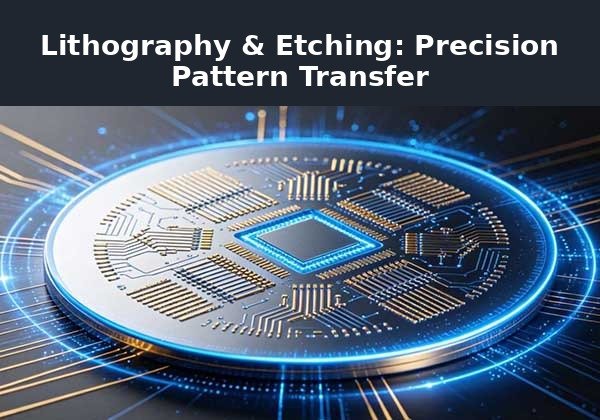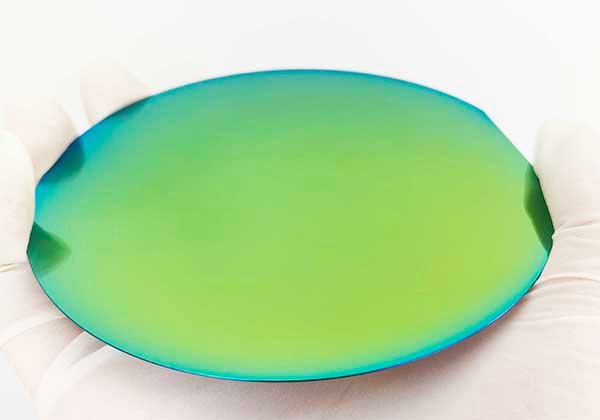


Quartz glass wet etching is an important process in precision manufacturing and micro/nano fabrication. Quartz glass has excellent optical transparency, chemical stability and thermal resistance, making it widely used in optical components, microfluidics, MEMS, sensors and semiconductor-related substrates.
Wet etching removes quartz glass through chemical reaction with selected etchants. Compared with mechanical processing, it can reduce mechanical stress and chipping. Compared with some dry processes, it may offer lower cost and better suitability for batch processing, especially where smooth surfaces and material selectivity are needed.
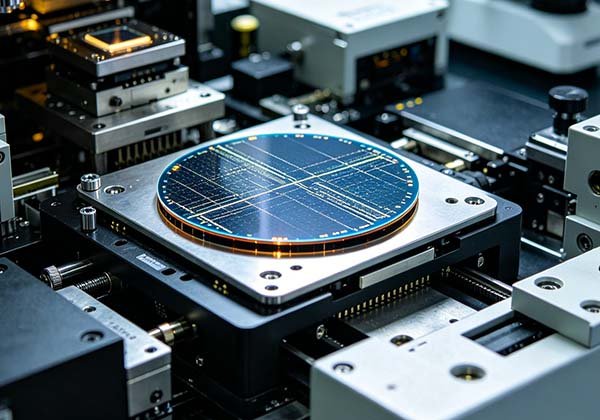
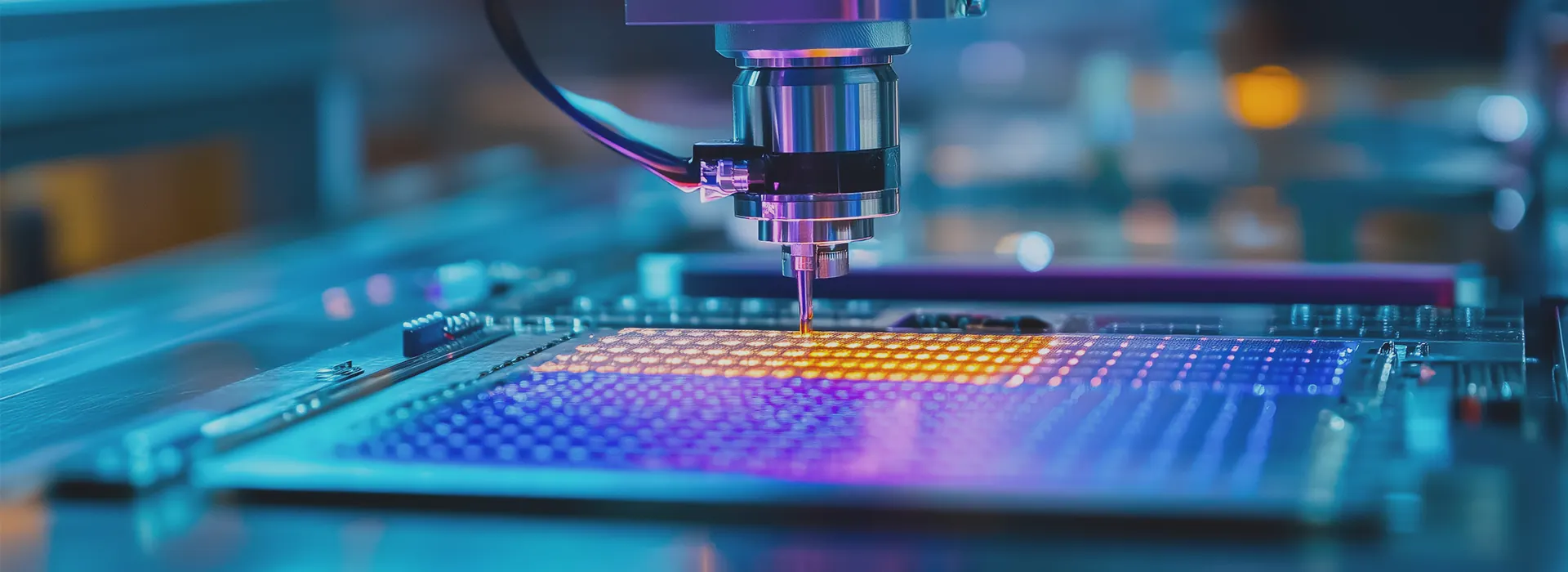
The process usually includes substrate cleaning, mask preparation, lithography, etching, mask removal and inspection. A mask layer protects areas that should not be etched. Etch rate, solution concentration, temperature, agitation and etching time must be controlled to achieve the required depth and uniformity.
Wet etching of quartz glass is used to fabricate microchannels, optical windows, patterned substrates, sensor components and microfluidic structures. It is especially useful where transparency and chemical stability are important.
Challenges include undercut, dimensional control, sidewall profile and compatibility between the mask and etchant. For high-precision structures, wet etching may be combined with lithography, dry etching, polishing or bonding processes. Process optimization is essential to balance accuracy, surface quality, cost and throughput.